Our Growing Ethics & Ethos
Growing crops in harmony with all of nature.
What is happening under our feet are things scientists have only just begun to understand, and it's so much more beautifully complex than ever thought.
Plants have been adapting and thriving for longer than we have even existed, so it makes sense that no matter what humans think they can improve, plants know what they're doing, and how to do it best. So we should look to them, learn from them and try to compliment, rather than control.
Healthy Soil Below, Thriving Diversity Above, Better Produce at the Core
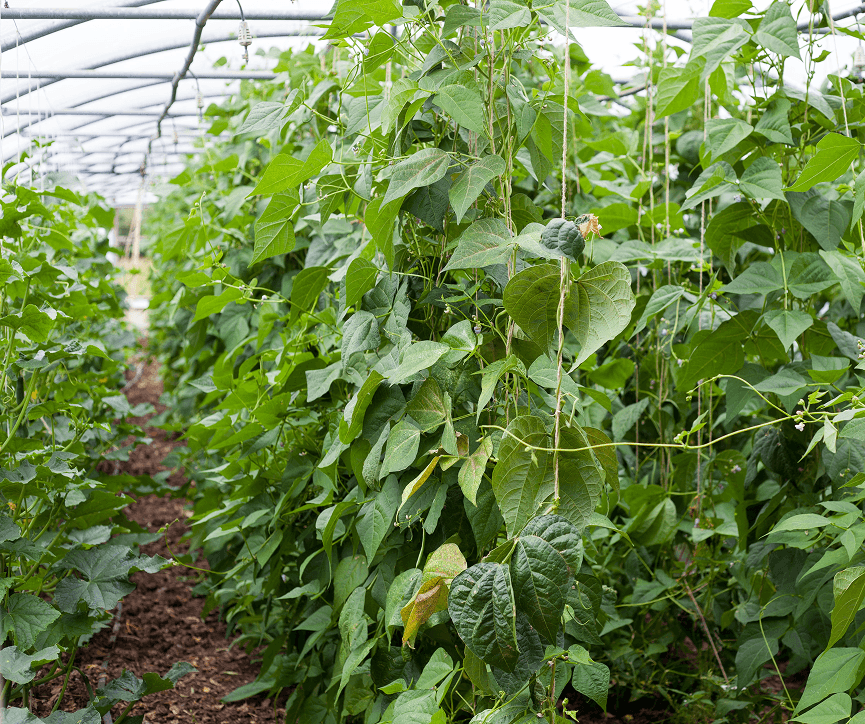
By focusing on soil microbiology, we grow healthy crops naturally without artificial inputs. To protect these microbes, we use minimal till or No Dig methods, apply homemade natural fertilisers, plant cover crops when beds are resting, and mulch any bare soil.
Inspired by nature, we mimic its systems on the farm: diverse plants, no bare ground, and thriving soil life. This produces vitamin- and mineral-rich crops while supporting a balanced, abundant ecosystem, growing sustainably for the future.
We are Soil Association accredited
We use no artificial pesticides, herbicides, artificial fertilisers or genetically modified (GM) organisms whatsoever. We are staunch advocates of optimising biodiversity across our 12-acre site. As a guarantee that we are managing the farm to the strict codes of organic status, we are Soil Association accredited.
Meaning annually, the Soil Association will spend a full day inspecting our farm and our methods to certify that we are meeting their strict national organic standards. We have been certified organic for over 35 years, which means that the land has been free of chemicals and other damaging agricultural inputs for as long as we have been here.
How do we manage a vibrant ecosystem on the farm and beyond?
A dynamic ecosystem evolves from many aspects interweaving into the whole. To simplify the explanation, we will introduce the following three pivots in this complex interconnected structure: Soil health, plant health and healthy communities.
We all depend on soil; it is our only mainstay medium for procuring naturally healthy food. A living soil is one teeming with microbial life. It cycles nutrients, filters water, and stores carbon. We use its richness to grow and harvest a crop from, but with minimum disturbance. Biodiversity is nature's immune system, a delicate balance that the human race have only just scraped the surface of truly understanding. But what we have come to understand is that for years we have been unknowingly terrorising our soils with modern farming methods and now coupled with the extreme unpredictability of climate chaos, pollution in the air and water and rapid biodiversity depletion the natural harmonies of soil and plant growth are under threat.
Careful monitoring and a supply of corrective management strategies is part of farming in these difficult times. We test our soils and our plant tissue every year to check for mineral imbalances and, should we detect bioavailability issues, we have a cache of exciting natural ferments bubbling away around the farm to be applied as nutrient feeds, soil conditioners, and occasionally pest control all within this closed loop system. Ensuring that our soils are balanced and topped up means that the plants we grow can take up all the minerals and trace elements they need, crucial for building their proteins, DNA, chlorophyll, and supporting all plant functions.
When a plant has sufficient water, nutrients, gases and light, these compounds help basic metabolic pathways to function. If a plant is able to draw on a soil that is bursting with diverse, balanced microbial life, a soil that is functioning at its optimum, the plant can develop the alkaloids, terpenes, and phenolics that are known as secondary metabolites – these give the plant aroma, flavour and health; mirroring that, tasty, fragrant plant food contains these higher order compounds that have a beneficial and healing effect on the human body such as antioxidants and anti-inflammatory agents protecting against disease.
Ploughing disrupts the microbial life in the soils, so we use minimum intervention surface tillage for preparation of the vegetable beds; we also add in our homemade composts and biological stimulants to multiply and feed the soil biology that may have been disturbed in the process. Our constant mantra for soil management is “abundant organic matter, reduced compaction and teeming soil microbiology” which brings us on to the next pivotal point of dynamic ecosystems and resilient food growing – plant health.
If you look around you at untouched natural spaces you will quickly conclude that nature does not function in mono-cultures, but rather in poly-cultures. Many different species of plants all growing together. Every plant species hosts specific microbiology, so a diverse and balanced soil ecosystem needs diversity of plants, their specific functions and their multifarious roots in the ground.
A complete poly-culture above ground feeds a complete soil microbiome below ground, and with this we have come to understand the detriment of bare ground. So, how can we replicate this natural process in the vegetable beds to develop diversity above and below ground while growing food crops? We are working out a system where we use cover crops on our growing beds; these are non-cash plants grown to enhance biodiversity, rather than for harvest.
We plant a varied mix of cover crops for fallow areas to add organic matter, build fertility, and reduce nutrient leaching in wet weather. We also companion plant specific mixes of cover crops with the cash crop to enhance complex root structures below ground and increase in-bed pollination and insect life above ground. These cover crops create a natural cycle of constant nutrient building on the vegetable growing areas, and no bare soil!
The extensive use of cover crops is improving soil aggregation and soil biology populations which we believe is the path to increasing soil resilience and allowing the food crops to optimise their nutrient content. Vegetables grown in poly-cultures do not grow up to have a uniform look – we see much more individual expression in the shapes and sizes, and that is why we are now dedicating ourselves to selecting the best plants from this system for our own seed. These Oxton ‘flocks’ of genetically diverse plants become respected team players and advisors in our striving to grow a future of resilient and tasty vegetables. All of which brings us on to the final pivotal point of resilient food growing – the community element.
Our human interactions at Oxton are not ring fenced within the farm; yes, we cherish the dedication of those who engage in farming this land. However, we feel very connected to our lovely customers too, some of whom save seeds or send heartfelt messages of encouragement (you know who you are!).
And then we have our friends and supporters in the local area who donate their leaf litter and thereby feed our soils; there is the community of growers in the South Midlands and beyond who share tips and tools, seed and camaraderie, and remind us that holistic farming is the only system that is fair and authentic towards all of life. We also feel the importance of connection to our wholesalers, those who provide the vegetables we do not grow. We trade with them in a currency of trust and a like minded mission for a better food system.
This is one entity of the community. However, placing our whole perception in connectedness opens us into a realm of community that reaches beyond the human species and shines light on the possibility of a more symbiotic world, and more interconnected lives. As we remove the veil of cultural subjection of nature as inanimate, we step into a holistic worldview where plants and other living beings rightly recover their place as equals, as guides and allies.
When we deepen our understanding of the intelligence of plants and others amid the chaos of the human world, we look to align with them to promote community of all. This higher point is the most pivotal in leading the practice of kind and gentle farming with nature, for the wellbeing of everyone.
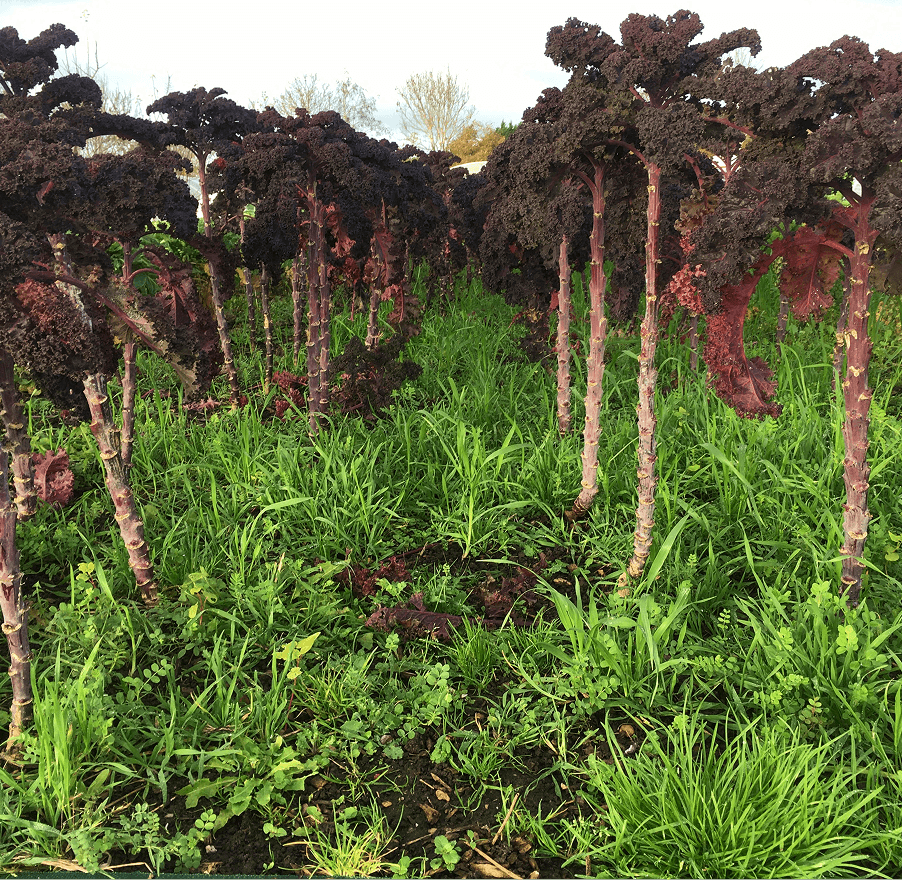
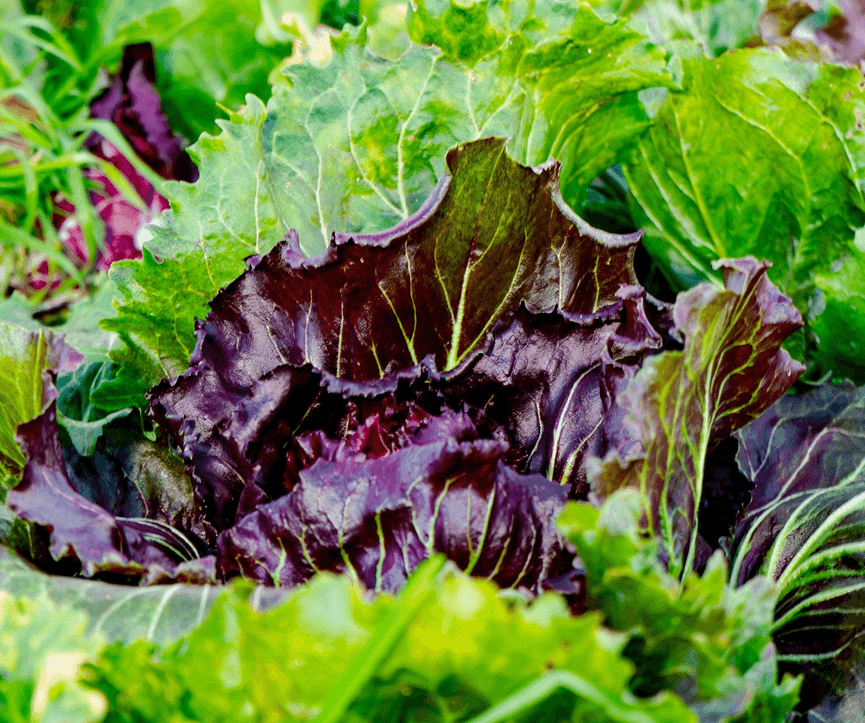
Red Curly Kale, under sown with a diverse mix of plants that will keep the ground covered through the winter. This ground cover makes wonderful overwinter habitat for the predatory insects that will be our allies come spring.
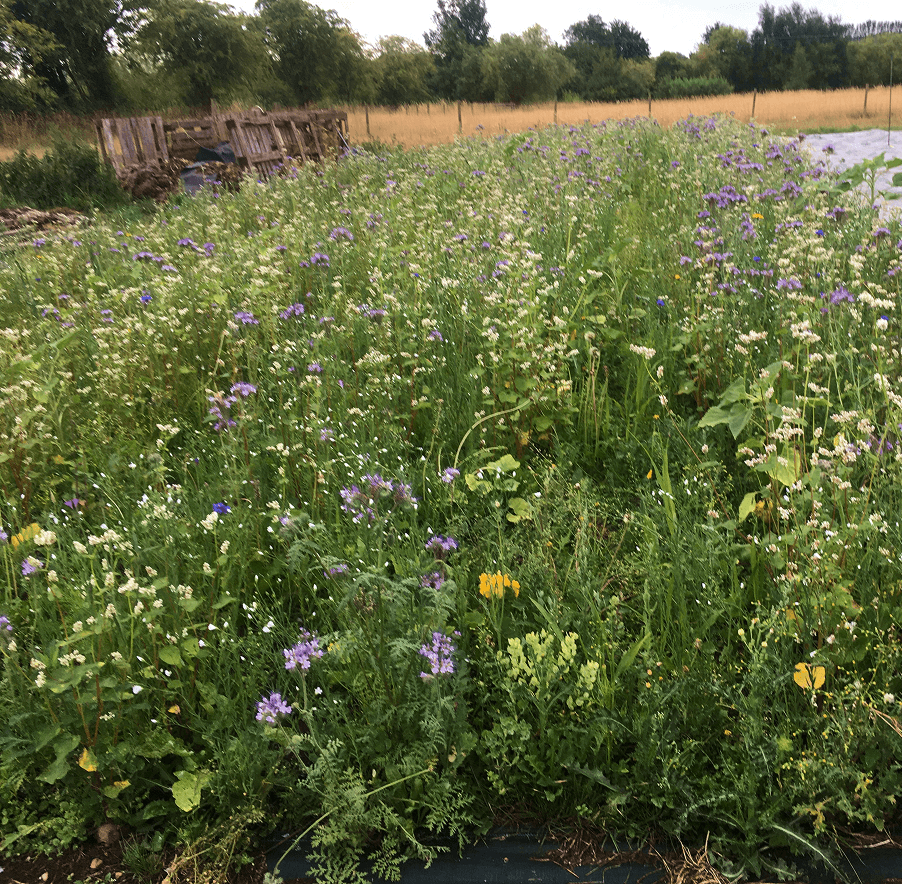
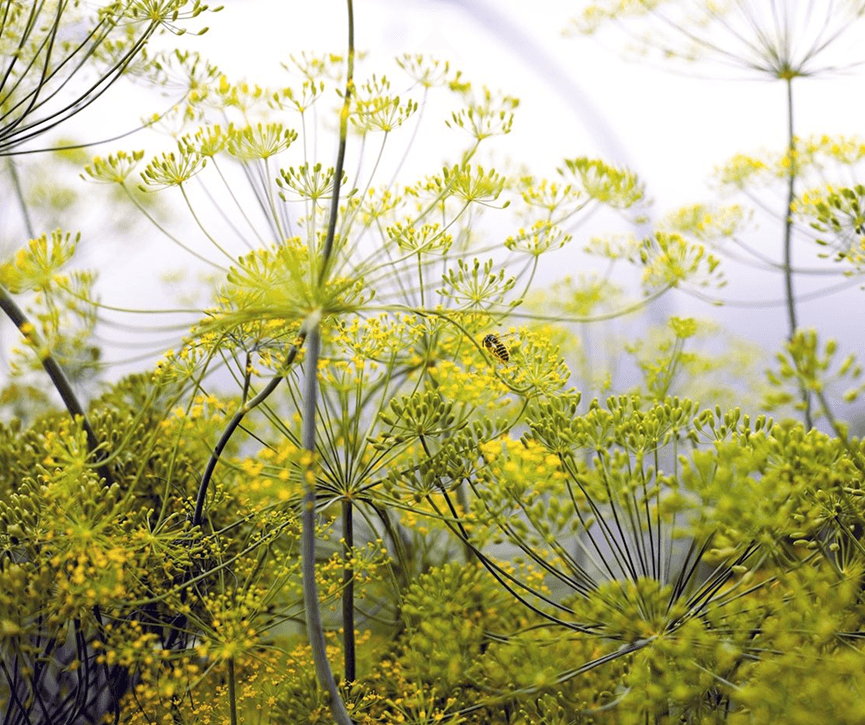
In between crops we grow beds of diverse flowering mixes. All these different roots in the ground are great for our microbiology while simultaneously supporting an abundance of pollinators and other insect life above.
Why Choose Locally produced organic Food?
We are picking, packing and delivering within a 24-to-36-hour window to ensure that our vegetables get to our customer's fridges as fresh as possible. This ‘local factor’ really counts in nutrient retention. This short time frame allows us to harvest your vegetables only when they are at their prime, as opposed to under ripe, a method used commonly in larger scale operations to prevent spoiling in longer term storage and transit to supermarkets.
All our deliveries go out in our electric vans, charged often from the solar power generated on our farm. This coupled with our local delivery radius helps to keep our carbon footprint as low as we can.
You know where your vegetables are grown and who nurtured them from seed (in many cases our own farm-saved seed!) We hope you can feel connected to your food through this short supply chain, and that you can taste the pleasing flavour of human-scale, friendly and thoughtful vegetable growing.
Any questions, comments and thoughts we always love to hear from you.
Contact us at [email protected]


© 2026 - Oxton Organics
Powered by
